

Is It More Than Just Snoring? The Signs of Obstructive Sleep Apnea (OSA)
You might think of snoring as a harmless inconvenience, a little annoyance during sleep. But what if it’s more than just snoring? For many, it could be a red flag for something more serious: obstructive sleep apnea (OSA). Left unaddressed, OSA can impact not only your nightly rest but your overall health and well-being.
If you, or someone you care about, snore persistently, it’s time to dig deeper and uncover what your body might be trying to tell you. At Park Cedar Dentistry in Charlotte, NC, we’re here to help you understand the signs, explore solutions, and regain a healthy, restful night’s sleep.
What Is Obstructive Sleep Apnea?
Obstructive sleep apnea is a sleep disorder where the muscles in your throat relax too much during sleep, causing a partial or complete blockage of your airway. This interruption prevents normal breathing, reducing oxygen levels in your body and disrupting the quality of your sleep. People with OSA may wake up several times during the night gasping for air, even if they don’t remember it.
Though it most often manifests as heavy snoring, OSA is far from benign. Left untreated, it has been linked to serious health issues, including high blood pressure, heart disease, diabetes, and cognitive problems like poor focus and memory.
Signs and Symptoms: Is OSA Hiding in Plain Sight?
Could your symptoms point to obstructive sleep apnea? Here are some of the most common signs:
- Persistent, loud snoring (often noticed by a partner)
- Gasping or choking sounds during sleep
- Daytime fatigue, no matter how early you go to bed
- Drowsiness or difficulty staying awake, especially while driving or working
- Morning headaches or a dry mouth upon waking
- Difficulty concentrating or problems with memory and mood
It’s important to remember that not everyone with OSA snores, and some people experience milder, subtler symptoms. That’s why a professional evaluation is crucial for an accurate diagnosis and personalized care.
Why Treating OSA Matters for Your Health
Sleep apnea is more than just disruptive. It’s dangerous. When left unmanaged, OSA can ripple through your body, triggering or worsening other health conditions, including:
- Heart problems: Sleep apnea can lead to high blood pressure and an increased risk of heart attack or stroke due to frequent oxygen drops and strain on your cardiovascular system.
- Type 2 diabetes: Untreated OSA has been closely linked to insulin resistance and a higher likelihood of developing diabetes.
- Mental health concerns: Fatigue from poor sleep can escalate anxiety, depression, and other emotional challenges.
- Reduced quality of life: Chronic tiredness affects your performance at work, your relationships, and your ability to safely perform daily activities, like driving.
How Park Cedar Dentistry Makes Sleep Apnea Care Comfortable
At Park Cedar Dentistry, care means more than just offering modern treatment. It’s about creating a welcoming, comfortable experience tailored to you. Our Charlotte-based practice is owned and operated by Dr. Summer Suttles and Dr. Emily Snapp, an all-female team passionate about empowering patients by combining education with empathy. Every step of the process, from diagnosis to treatment, is designed with your comfort and confidence in mind.
We’ll walk you through a personalized care plan, answering all your questions along the way and helping you feel at ease with every decision. You’ll love our spa-like amenities, including heated neck pillows, cozy blankets, noise-canceling headphones, bottled water, and more. We transform your dental visit into a time of relaxation and calm.
What Treatments Are Available for OSA?
There’s no one-size-fits-all approach to treating obstructive sleep apnea. Your unique needs guide the treatment plan. For some patients, lifestyle changes, like weight loss, avoiding sleeping on your back, or reducing alcohol consumption, play a role. Others require a more structured solution, such as:
- Oral appliances: Custom-fitted devices offer a comfortable alternative to CPAP machines, gently positioning the jaw and tongue to open the airway during sleep.
- Continuous Positive Airway Pressure (CPAP): A machine that delivers a steady stream of air to keep your airway open.
- Orthodontics: In some cases, using orthodontics to correct jaw and bite alignment can help your airway stay open at night, reducing episodes of sleep apnea.
- Surgery: In severe cases or when other approaches fail, surgical options may help by removing excess tissue or reshaping parts of the airway.
Wondering which option might fit your needs? Let’s work side-by-side to evaluate your symptoms and discover solutions that make sense for your lifestyle.
Ready to Breathe Easy Again? Let’s Talk!
If snoring is a nightly occurrence or you’re battling unexplained fatigue, don’t ignore the signs. The earlier sleep apnea is diagnosed, the sooner you can enjoy uninterrupted rest and protect your long-term health. Turn to the compassionate team at Park Cedar Dentistry, where your care always feels personal and pressure-free.
Whether you’re looking for answers, reassurance, or a long-term solution, Park Cedar Dentistry is here to help you every step of the way. Call us today at (704) 752-0500 to schedule a consultation and take the first step toward better sleep, better health, and a better you.
Related Posts
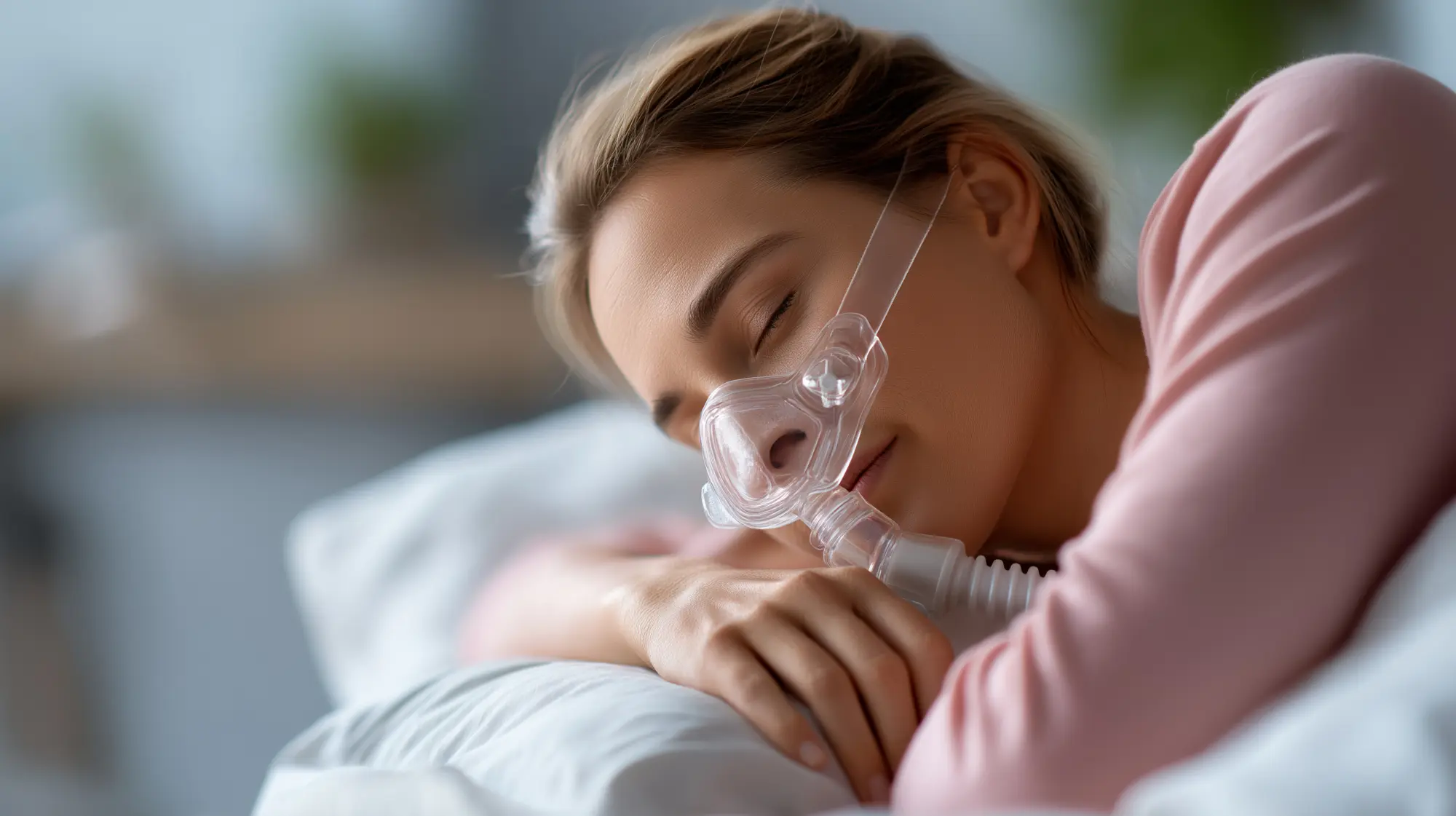
Can Sleep Apnea Cause Morning Headaches and Dry Mouth?
Do you wake up with a pounding headache or an uncomfortable dry mouth, wondering why mornings feel so challenging?
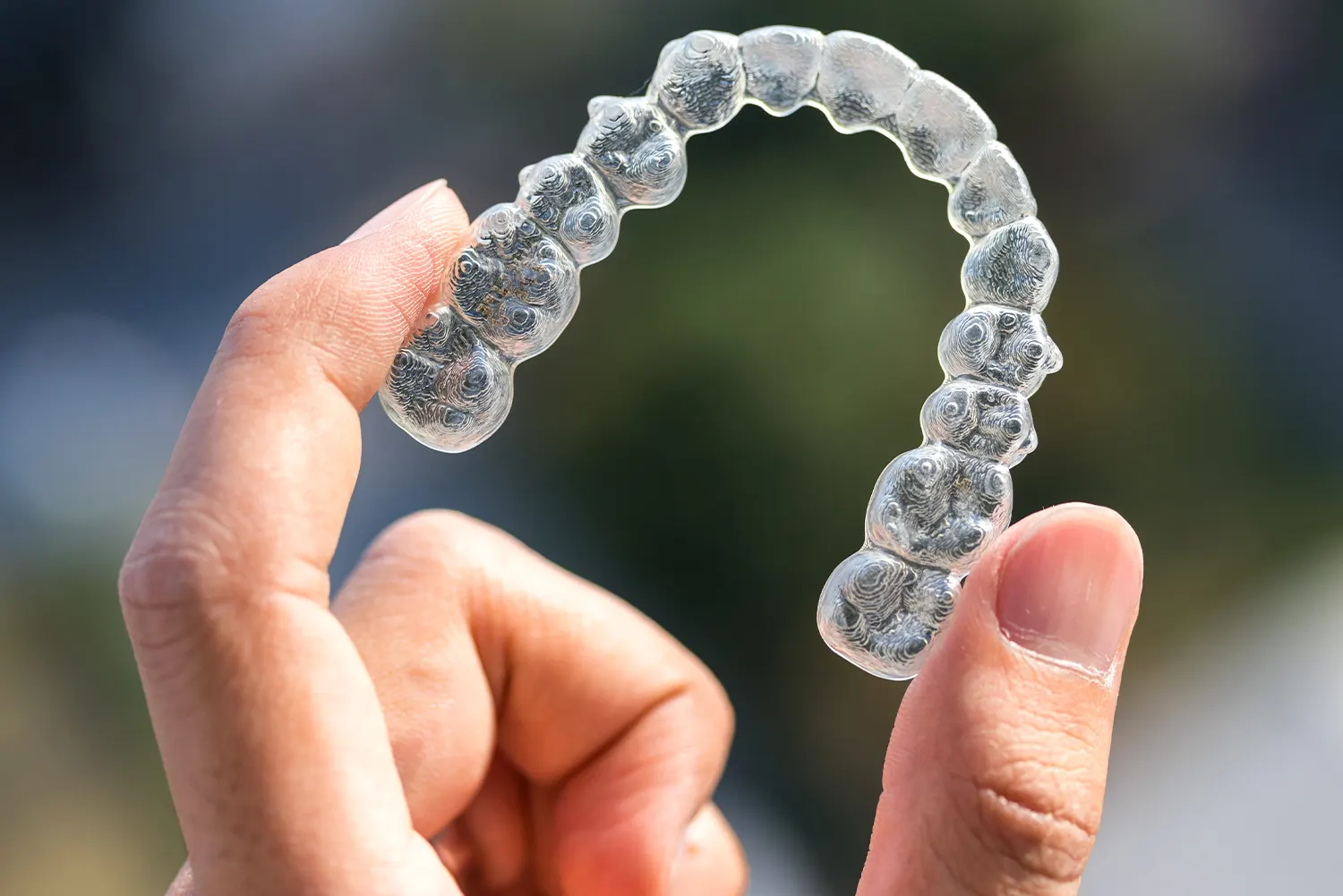
Invisalign in South Charlotte: Achieving Your Dream Smile Discreetly
Are you dreaming of a straighter smile but dreading the thought of wearing braces? You’re not alone.
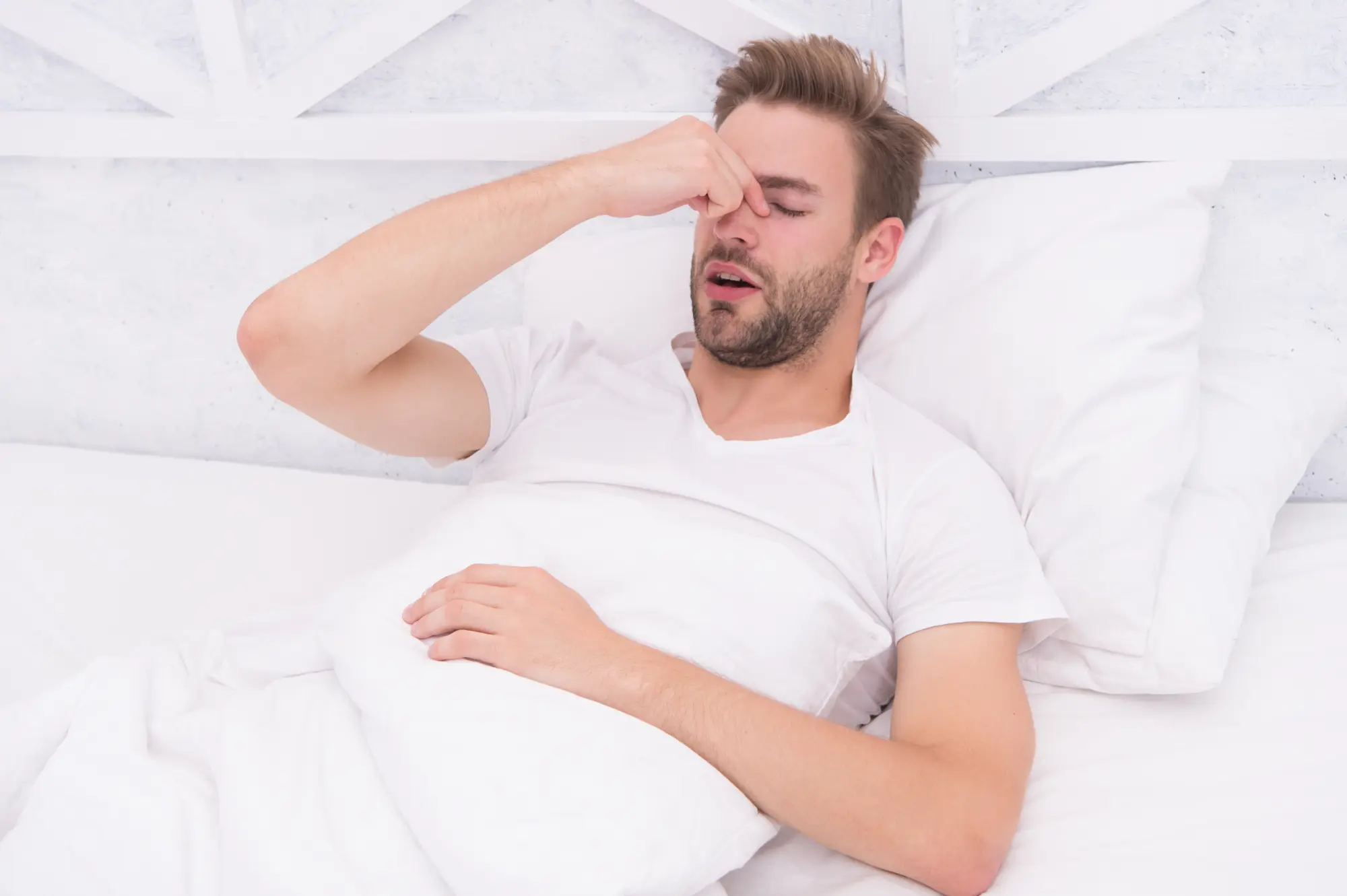
Is It More Than Just Snoring? The Signs of Obstructive Sleep Apnea (OSA)
You might think of snoring as a harmless inconvenience, a little annoyance during sleep. But what if it’s more than just snoring?
